

Deploying a Scalable MQTT Platform
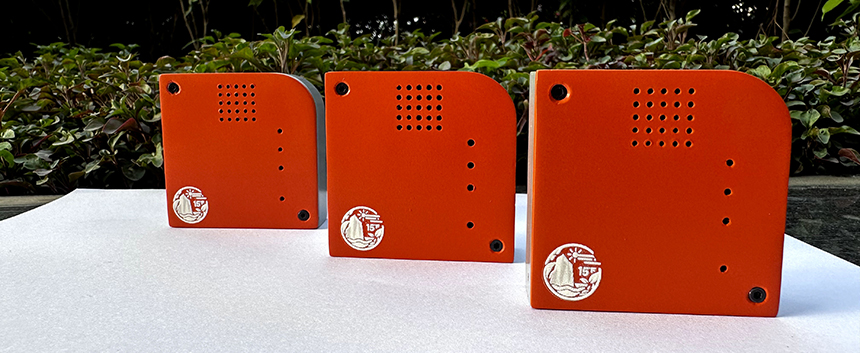
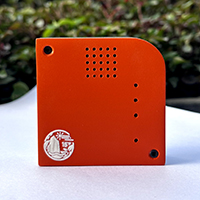
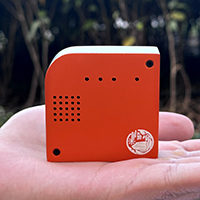
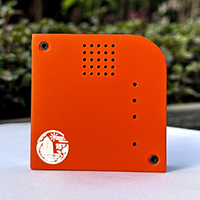
M15 Device
To effectively collect and manage the vast amounts of data generated by our IoT sensors, we will deploy a scalable MQTT platform. Here are the technologies and tools we would like to discuss with the more technically inclined members of the community:
Key Technologies
MQTT Broker
- Eclipse Mosquitto: A lightweight, open-source MQTT broker that is easy to install and supports a wide range of devices.
Data Processing and Visualization
- Node-RED: A flow-based development tool for visual programming suitable for wiring together hardware devices, APIs, and online services.
- Apache Kafka: For high-throughput, fault-tolerant, and scalable data streaming.
High-Speed Databases
- InfluxDB: An open-source time-series database optimized for fast, high-availability storage and retrieval of time series data.
- TimescaleDB: An open-source time-series database optimized for complex queries and large-scale data analysis.
Integration and Management
- Kubernetes: For container orchestration, ensuring the platform is scalable and resilient.
- Docker: To containerize applications, making them portable and easier to manage.
Recommended Setup
This setup ensures a robust and scalable platform capable of handling the extensive data generated by The MinusFifteen Project.
Deploy Eclipse Mosquitto
Deploy Eclipse Mosquitto as the MQTT broker to handle all incoming data from the sensors.
Use Node-RED
Use Node-RED for processing and routing the data from the MQTT broker to the database.
Store data in InfluxDB
Store data in InfluxDB for efficient time-series data handling and querying.
Use Grafana
Use Grafana to visualize data and create real-time dashboards for monitoring.
Deploy on Kubernetes and Docker
Deploy on Kubernetes and Docker to ensure the system can scale efficiently with growing data volumes.